

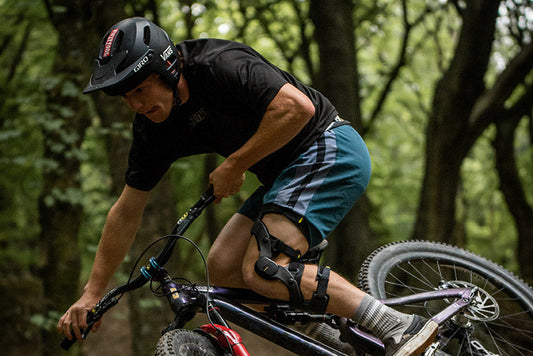
Knees carry an enormous workload in athletics. Whether you sprint, jump, pivot, or lift, the knee joint absorbs repetitive impact and sudden directional forces that can lead to strain or long-term damage. Using the right knee support for sports helps protect joint structures, reduce the chance of a knee injury, and improve performance across a wide range of activities.
Sports involve high-intensity motions such as cutting, landing, tackling, or twisting, all of which place stress on the ligaments, including the ACL, MCL, and PCL. These movements can cause ligament sprains, meniscus tears, tendon irritation, and patellar misalignment. Repetitive overuse may also lead to knee pain, stiffness, and inflammation.
Athletes rely on proper support to stabilize the joint, maintain alignment, and prevent harmful shifts or rotations. Some braces are designed to protect during sports participation, while others are meant for recovery after an injury. Understanding when and how knee support is used is the first step in preventing long-term damage and improving overall athletic readiness.
Types of Knee Support Used in Sports
With so many options available, choosing the right knee brace depends on sport type, injury history, and performance needs. Sports medicine typically groups braces into four categories: prophylactic, functional, rehabilitative, and unloader.
Prophylactic Braces
These are designed to prevent injuries during high-impact or contact sports. They provide lateral protection and help limit excessive movement, making them ideal for football or full-contact sports.
Functional Braces
Functional braces are used after ligament damage, especially ACL or MCL injuries. Many athletes select a hinged knee brace for sports to maintain controlled mobility and prevent hyperextension during recovery.
Rehabilitative Braces
These braces restrict harmful knee motions during early healing stages. They’re often worn following surgery or severe ligament sprains.
Unloader Braces
These are designed to reduce pressure on one side of the knee joint, most often for athletes with compartment-specific pain or arthritis. By shifting load away from the affected area, unloader braces can decrease discomfort during activity and help improve function and stability while moving.
Compression Sleeves vs. Hinged Braces
Compression sleeves offer flexibility and mild support, making them popular among runners. Meanwhile, hinged knee braces deliver more advanced protection and alignment, which is important for athletes in sports requiring rapid direction changes.
If your sport requires speed and endurance, you may benefit from the best knee brace for running designed to support repetitive forward motion. Activities such as skiing, basketball, and motocross often require more advanced braces with rigid side supports.
How Knee Support Aids Performance and Recovery
Knee support does more than protect. It also enhances performance and speeds up recovery. The right brace improves alignment, stability, and proprioception, giving athletes more confidence in each movement. When the knee feels supported, athletes can focus on technique rather than worrying about painful shifts or instability.
Compression Improves Circulation
Targeted compression increases blood flow, helping muscles stay warm and decreasing recovery time. This reduces swelling after intense workouts and accelerates healing. Compression also may help clear metabolic waste from tired muscles, which can reduce post-exercise soreness and keep athletes performing at a higher level during repeated training sessions.
Stability Enhances Control
A high-quality sports knee brace supports joint alignment and reduces wobbling or buckling during high-impact movements. Better control leads to improved agility, safer landings, and fewer compensatory motions that can cause secondary injuries. This added stability can also help athletes maintain better movement mechanics, protecting surrounding joints such as the hips and ankles from unnecessary strain.
Support During Rehabilitation
Recovering athletes need consistent knee recovery support to stay active without reinjuring the joint. Braces reinforce stability while allowing safe ranges of motion, which is critical during sports injury rehabilitation. This structured support makes it easier for athletes to reintroduce strength training, mobility work, and sport-specific drills at the right time without overwhelming healing tissues.
Maintaining Function
By improving patellar tracking and limiting excessive rotation, a brace helps preserve mobility and reduce discomfort. This is especially important when athletes return to training after injury. Proper guidance of the kneecap can also prevent chronic irritation or tendon overload, helping athletes maintain long-term function and reduce the likelihood of recurring pain.
Preventing Sports Injuries with Proper Knee Support
Using an injury prevention brace during training or competition can significantly reduce the risk of ligament sprains. Preventive knee support has been shown to limit valgus forces that contribute to ACL and MCL ruptures.
Key strategies for prevention:
- Stabilization During High-Impact Movements - In sports involving cutting or lateral impact, a ligament support brace helps absorb external forces and reduce structural strain. This added reinforcement keeps the knee from shifting into unsafe positions during fast transitions, jumps, or sudden directional changes. Athletes who perform explosive movements benefit from this buffer, which helps reduce the cumulative stress placed on ligaments over time.
- Load Management - A well-chosen brace pairs with strength training, warm-ups, and appropriate rest to reduce overload on the knee joint. By redistributing pressure away from vulnerable tissues, knee support helps athletes tolerate higher training volumes more safely. This is especially useful during tournament seasons or intense conditioning phases when fatigue can compromise technique and increase injury risk.
- Corrective Motion Guidance - Braces prevent excessive inward collapse of the knee, which is a leading cause of ACL injuries. By promoting healthier knee alignment, support devices help athletes maintain better biomechanics throughout play. Whether an athlete is landing from a jump or accelerating off one leg, the brace reinforces proper tracking patterns that protect the joint from dangerous torque.
- Strength + Bracing Combo - While braces reduce risk, they aren’t a substitute for functional strength. Athletes should follow proper training modifications after knee injury to maintain balance and muscular alignment. Combining targeted strength work with bracing improves joint stability and reduces reliance on external support over time. When athletes build strong hips, quads, hamstrings, and core muscles, the brace works more effectively as part of a long-term prevention strategy.
Choosing the Right Knee Support for Your Sport
Selecting knee support requires evaluating several factors, including injury history, sport intensity, and comfort. A brace should feel snug yet comfortable, offering strong stability without restricting circulation.
Consider the Following Factors:
Fit
Proper sizing ensures the brace stays in place and delivers consistent support. Shop Orthopedics offers adjustable designs for secure fit and comfort.
Material
Breathable mesh or neoprene keeps the knee cool while providing support during prolonged activity.
Sport-Specific Needs
- Runners benefit from lightweight compression sleeves to reduce strain.
- Football or skiing athletes may need heavy-duty hinged braces.
- Cross-training athletes often prefer flexible sleeves allowing multidirectional movement.
Support Level
If you require advanced protection, an athletic knee support that includes rigid components may be essential.
To explore advanced options for high-intensity performance, view our premium CTi®3 Braces commonly used by professionals.
When to Consult a Specialist About Knee Pain
Not all knee discomfort is the same. While some soreness improves with rest and support, certain symptoms require medical evaluation. Athletes often try to “push through” early signs of injury, but doing so can worsen underlying damage. A prompt assessment ensures the right treatment plan and prevents avoidable setbacks.
See a specialist if you experience:
- Persistent swelling or redness that does not improve with ice or compression
- Difficulty bearing weight or feeling like the knee may give out
- Limited range of motion that makes bending or straightening uncomfortable
- Locking or catching in the knee during movement
- Pain lasting longer than one week or recurring after activity
Sports medicine professionals can assess ligament integrity, recommend imaging tests such as MRI or ultrasound, and determine whether a ligament support brace or more advanced support is appropriate. They can also identify issues like patellar tracking problems, cartilage tears, or early joint degeneration that may not be obvious without evaluation.
A physical therapist may also help with maintaining mobility and flexibility during rehabilitation, ensuring you regain strength safely and avoid compensatory movement patterns. They can provide sport-specific guidance so you return to activity with proper mechanics and reduced reinjury risk.
Don’t delay care. Early detection prevents small issues from becoming long-term injuries and helps athletes maintain consistent training without chronic setbacks.
Finding the Best Knee Support for Sports at Shop Orthopedics
When it comes to choosing durable, high-performance braces, Shop Orthopedics remains one of the most trusted suppliers for athletes. Whether you need a flexible sleeve for running, a rigid brace for full-contact sports, or targeted bracing for no-contact sports, our selection covers every athletic need.
We offer:
- Rigid braces for ACL, MCL, or multi-ligament stability
- Compression sleeves for post-workout recovery
- Hinged braces for controlled movement
- Lightweight performance models for active training
Every product is curated for durability, comfort, and athletic performance, helping you stay competitive and protected. Our team carefully evaluates each brace based on material quality, biomechanical support, and real-world athletic performance, so you can trust that your equipment will hold up during intense practices, training cycles, and competition.
Athletes at every level, from youth sports to professional leagues, rely on properly fitted knee support to reduce injury risk, improve confidence after recovery, and enhance long-term joint sustainability. With the right brace, you can focus on training smarter, pushing harder, and returning to the sport you love with greater security and stability.
Explore our full lineup of sports knee brace options to find the support you need for safety, strength, and long-term mobility. Our specialists are here to help you choose the right fit so you can perform with power, move with confidence, and protect your knees for years to come.


