

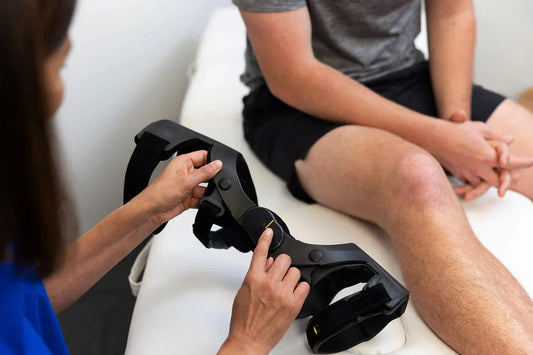
Orthopedic bracing plays an important role in injury recovery, pain management, and long-term joint health, whether you are returning to activity after an injury or managing a chronic condition. Understanding the different types of orthopedic braces available can help you make informed decisions about comfort, protection, and mobility.
This guide explains the ins and outs of what orthopedic braces are and how to select the right option based on your needs, activity level, and recovery goals.
What Are Orthopedic Braces and How Do They Support the Body?
What are orthopedic braces used for? An orthopedic brace is an external medical device designed to stabilize, support, or protect musculoskeletal structures such as joints, ligaments, tendons, and surrounding soft tissue. Orthopedic braces are commonly used to manage pain, limit harmful movement, improve alignment, or support healing after injury or surgery.
Braces generally fall into three categories. Preventive braces are worn to reduce injury risk during activity. Functional braces allow controlled motion while protecting weakened or unstable joints. Rehabilitative braces restrict motion to protect tissues that are healing following trauma or surgical procedures.
How do orthopedic braces help with injury recovery? In many cases, they do by reducing stress on injured structures, minimizing aggravating movement, and providing consistent external support during daily activity. Most braces function by redistributing forces across a joint, improving alignment, and enhancing proprioception, which helps the body move more efficiently and safely.
Brace selection varies depending on injury severity, the joint involved, activity demands, and whether the goal is protection, mobility, or long-term management. Understanding when you should wear an orthopedic brace is just as important, since wearing a brace too often or without proper fit can reduce its effectiveness.
Knee Braces: Stabilizing the Knee and Supporting Joint Function
The knee is one of the most commonly braced joints because it absorbs significant load during walking, standing, and sport. A knee brace can help manage instability, ligament injuries, swelling, osteoarthritis, and post-injury recovery by compressing the joint, limiting unsafe motion, or redistributing load. Many individuals rely on a knee brace to improve walking confidence and reduce pain during daily activity.
Primary Types of Knee Braces
- Compression sleeves provide circumferential compression that helps reduce swelling, improve circulation, and enhance proprioception. A compression knee sleeve is often used for mild instability, early arthritis, and tendon irritation. An example is the Ossur Premium Elastic Knee Sleeve Support, which offers lightweight support for everyday use.
- Hinged designs use metal or polymer hinges along the joint line to control side-to-side motion while allowing flexion and extension. A hinged knee brace is commonly recommended for ligament injuries involving the ACL, MCL, PCL, or LCL, as well as during return-to-activity phases. Shop Orthopedics carries a wide selection of hinged knee braces designed for varying levels of stabilization.
- Unloader or offloader braces are frequently prescribed for knee osteoarthritis. These braces shift load away from the damaged compartment of the joint, helping reduce pain and improve gait mechanics. The Ossur Unloader Universal OA Knee Brace is designed to relieve bone-on-bone stress while supporting mobility and delaying more invasive interventions.
Knee bracing is often part of broader sports brace support strategies that allow individuals to remain active while protecting healing tissues.
Ankle Braces and Foot Orthotics: Enhancing Lower-Limb Stability and Alignment
Ankle injuries are common and often recur without proper support. Ankle braces and foot orthotics help manage sprains, chronic instability, plantar fasciitis, and gait abnormalities by improving alignment and controlling movement. An ankle brace can reduce the risk of reinjury by reinforcing lateral stability while still allowing functional motion.
Figure-8 braces mimic taping techniques and support injured ligaments following mild to moderate sprains. Stirrup braces provide stronger medial-lateral reinforcement while allowing natural plantarflexion and dorsiflexion. The Ossur Formfit Honeycomb Stirrup Ankle Brace is frequently used for moderate instability and recovery support.
Hinged ankle braces allow controlled sagittal-plane motion and are often recommended during athletic return-to-play. AFO braces are prescribed for more significant gait impairments such as foot drop and are available through Shop Orthopedics for individuals who require structured lower-limb control.
Night splints are commonly used for plantar fasciitis and Achilles tendon tension by maintaining gentle dorsiflexion during sleep. Foot orthotics and insoles address overpronation, supination, and arch collapse by redistributing pressure and improving walking efficiency.
Wrist, Hand, and Thumb Braces: Supporting Fine Motor Function
Wrist and hand conditions often involve repetitive strain, nerve compression, or inflammation that interferes with daily tasks. A wrist splint or brace helps stabilize the joint while reducing stress during gripping, lifting, and typing.
Wrist braces are commonly used for carpal tunnel syndrome, tendonitis, arthritis, and post-fracture support. They hold the wrist in a neutral position to reduce nerve compression and limit painful motion. Shop Orthopedics offers a full selection of wrist braces designed for both immobilization and functional support.
A thumb spica brace immobilizes the base of the thumb to manage De Quervain’s tenosynovitis and thumb arthritis. The Ossur Formfit Thumb Spica provides structured stabilization while allowing functional hand use during daily activities.
Compression supports provide warmth and gentle pressure for chronic discomfort. By limiting micro-movements and reducing friction within tendon sheaths, these braces support healing and symptom relief.
Elbow and Shoulder Braces: Targeted Support for Upper-Limb Injuries
Elbow and shoulder injuries often result from overuse, repetitive strain, or instability. Elbow braces help manage pain while allowing functional arm movement during work and daily tasks.
A tennis elbow strap works by applying counterforce pressure that reduces strain at the extensor tendon origin. The Ossur Universal Airform Tennis Elbow Support is designed to relieve pain during gripping and lifting activities. Shop Orthopedics also offers a range of elbow braces and support options for compression and stabilization.
For more serious injuries, arm immobilizer braces restrict movement after fractures or acute inflammation. Shoulder conditions may require a shoulder immobilizer to limit rotation and protect healing tissues. Shop Orthopedics provides comprehensive arm and shoulder support, including arm immobilizers designed for post-injury care.
By stabilizing the upper limb, these braces reduce strain on inflamed tendons and help maintain neutral joint mechanics during recovery.
Back and Spine Braces: Improving Posture, Alignment, and Core Stability
Back pain and spinal conditions are often influenced by posture, muscle imbalance, and repetitive strain. Back braces are designed to reduce micro-motion, improve alignment, and unload stressed tissues during daily activity.
A lumbar support brace helps stabilize the lower spine, support strained muscles, and reduce disc pressure during standing or lifting. Shop Orthopedics offers a range of back support devices, including specialized lumbar back braces designed for targeted relief.
Spinal bracing may be recommended for chronic low-back pain, acute disc irritation, posture-related discomfort, or sacroiliac joint dysfunction. Proper use can improve biomechanical efficiency and reduce symptom flare-ups during prolonged activity.
How to Choose the Right Orthopedic Brace
Selecting the right brace begins with clearly identifying the affected joint and understanding the nature of the injury or condition. Acute injuries, such as sprains or post-surgical recovery, often require more structured support to limit movement and protect healing tissues. Chronic conditions, including arthritis or long-term instability, may benefit from flexible or semi-rigid options that provide stability without overly restricting mobility. Matching the support level to symptom severity is essential, whether that means light compression, moderate stabilization, or rigid control.
- Daily activity demands should also factor into the decision. A brace worn during routine household tasks may prioritize comfort and ease of movement, while a brace used for work, prolonged standing, or athletic activity may need added durability and motion control. Post-surgical braces often require adjustable features that allow for gradual increases in movement as recovery progresses.
- Proper sizing plays a critical role in both comfort and effectiveness. A brace that is too tight can restrict circulation, irritate the skin, or increase discomfort, while a brace that is too loose may shift during movement and fail to provide adequate support. Accurate measurements and adherence to manufacturer sizing guidelines help ensure the brace stays in position and maintains proper alignment throughout the day. Swelling, layering over clothing, and body shape should also be considered when choosing size.
- Material and design features deserve attention as well. Breathable fabrics may improve comfort during extended wear, while adjustable straps or hinges allow for a more customized fit. Some individuals may prefer low-profile designs that fit easily under clothing, while others may benefit from more visible support for higher-risk activities.
Orthopedic braces are one category within broader orthopedic support devices and mobility support braces designed to protect movement while promoting function. When chosen thoughtfully and used appropriately, orthopedic braces can support recovery, reduce pain, and help individuals move with greater confidence and control.
Shop Orthopedics offers a range of orthopedic braces and home health care products, including CTI knee braces and other medical support options from established brands. With guidance from Shop Orthopedics, individuals can select high-quality bracing solutions that align with their needs, protect healing tissues, and support long-term mobility and joint health.


